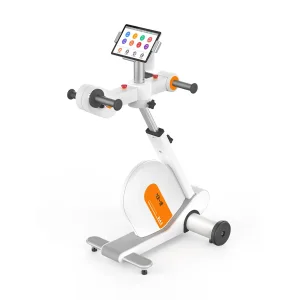
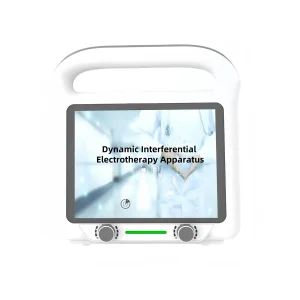
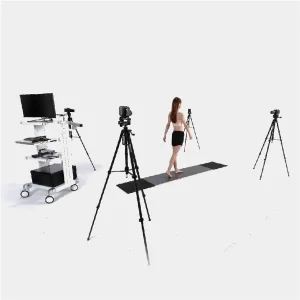
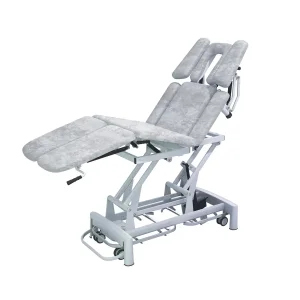
Deploying state-of-the-art diagnostic and kinetic recovery technologies to clinical and industrial hubs worldwide.
Traditional posture assessment and spinal adjustments have relied heavily on subjective manual techniques. However, the paradigm in modern physical medicine has shifted drastically toward quantifiable kinetic data. To meet the demands of sports science clinics, orthopedic surgery rehabilitation facilities, and neurological recovery centers, the modern body alignment therapeutic hardware must be smart, automated, and interconnected.
By leveraging advanced sensor suites, automated pressure topography, and closed-loop neuromodulation, manufacturers are paving the way for targeted structural correction. This whitepaper details how modern OEM factories incorporate robotic components, cloud data storage, and customized fabrication to resolve structural misalignments, from the cervical vertebrae to the plantar fascia.

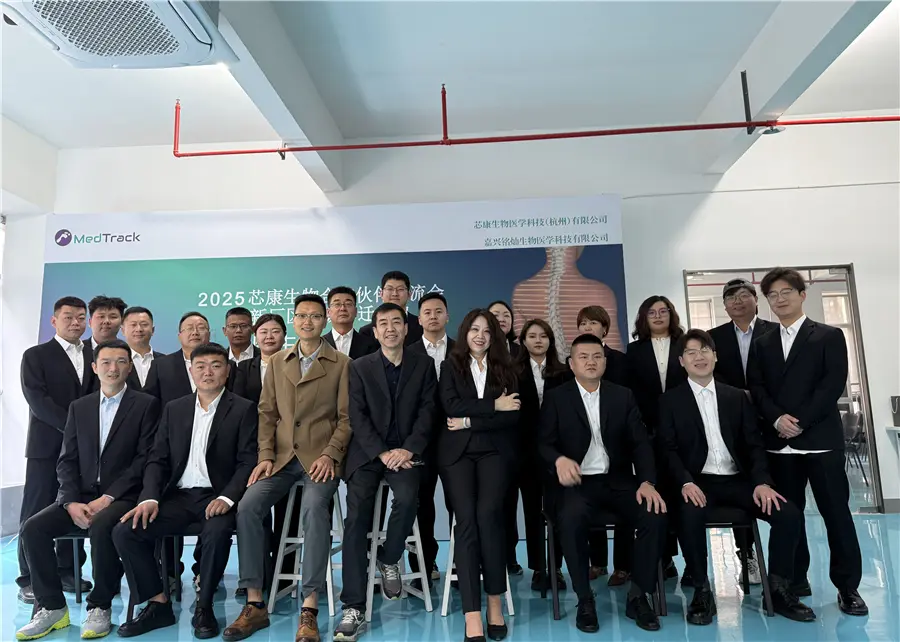
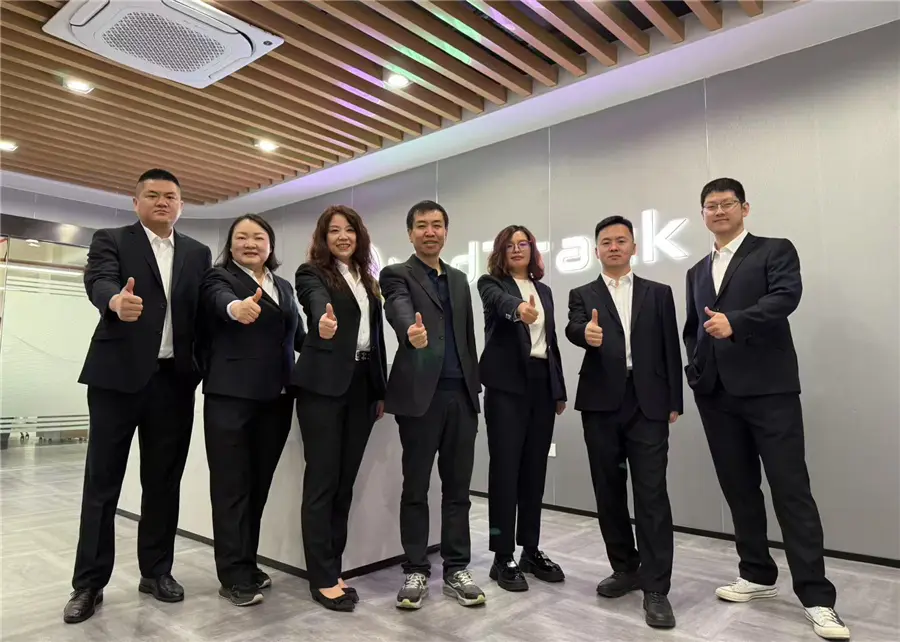
Xinkang Biomedical Technology (Hangzhou) Co., Ltd. represents the peak of professional pain management and physical rehabilitation engineering. Operating from a fully integrated infrastructure, we synthesize clinical research, hardware prototyping, high-capacity manufacturing, and regulatory compliance.
Our technology footprint encompasses physical factor treatment domains, spanning electrotherapy, phototherapy, magnetic resonance therapy, compression treatment, and biomechanical spinal adjustment platforms. By establishing structural partnerships with top-tier academic institutions, biomechanics research units, and clinical trial hospitals, we ensure that every OEM and ODM asset we produce is clinically validated and ready for market deployment.
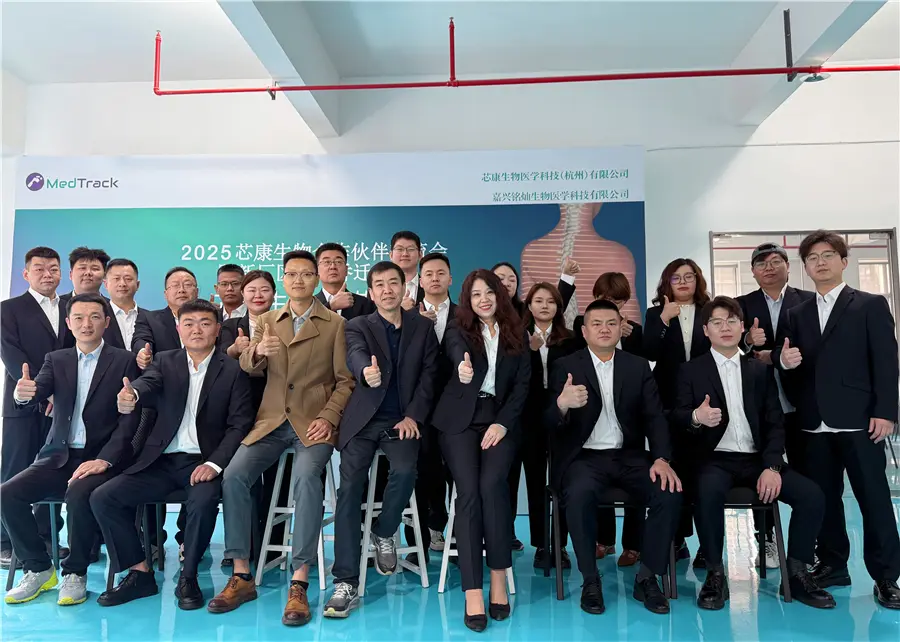
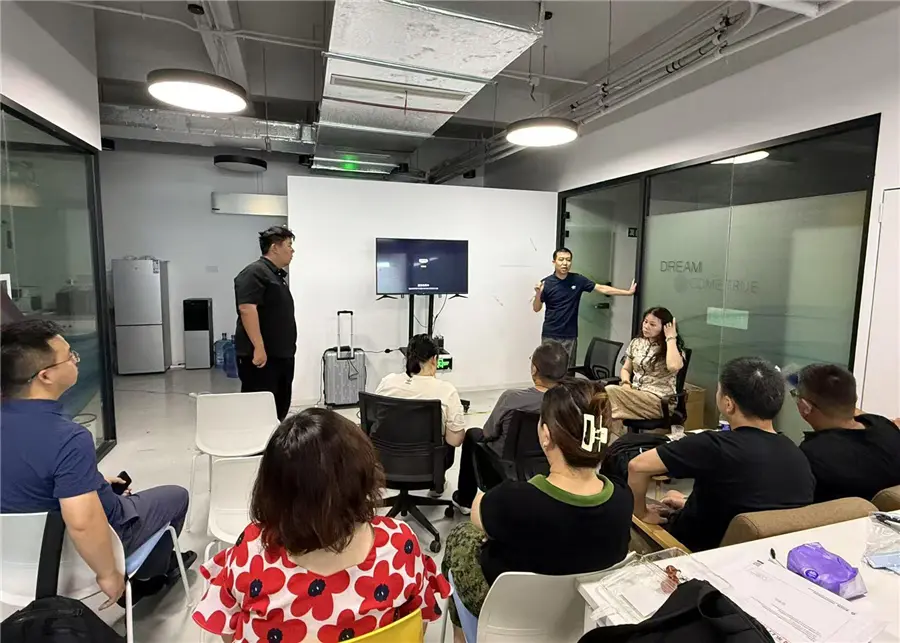
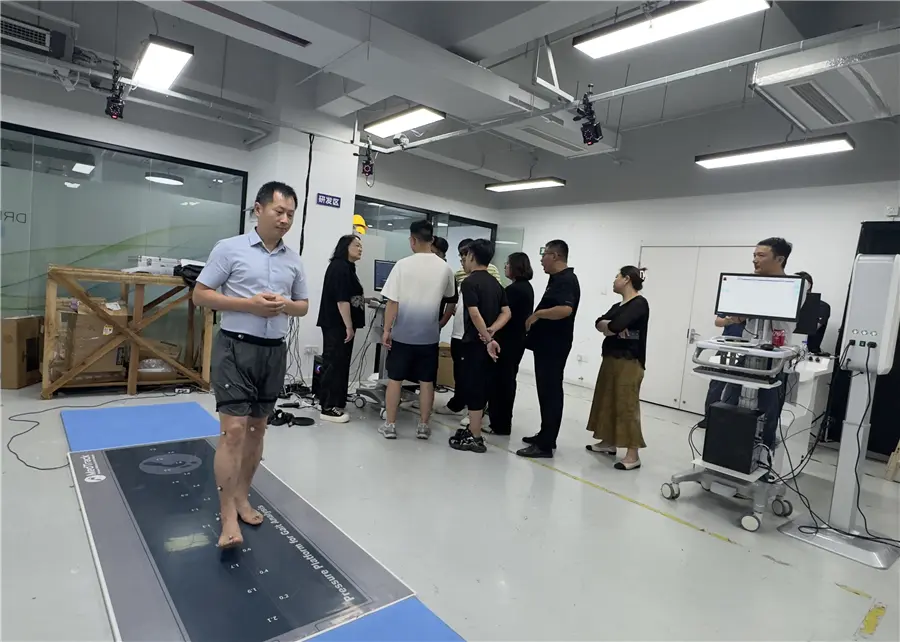
Analyzing the macro-trends, clinical demands, and technical vectors governing body alignment markets across key continents.
With the rise of remote office settings, the prevalence of postural disorders, scoliosis, and kinetic pelvic tilt has surged. The demand for chiropractic equipment, 3D posture scanners, and robotic adjustment tools has seen double-digit annual growth. Clinicians seek products that yield verifiable metrics before and after orthopedic intervention to justify insurance reimbursement claims.
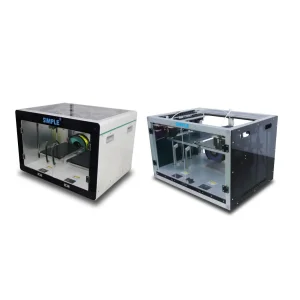
Medical equipment distributed in the EU is governed by tight Medical Device Regulations (MDR). This has prompted orthotics manufacturers to seek ISO 13485 certified factories capable of producing custom orthotic printer setups and gait scanners. Integrating ecological materials with bio-compatible plastics in 3D insole fabrication is a key competitive differentiator.
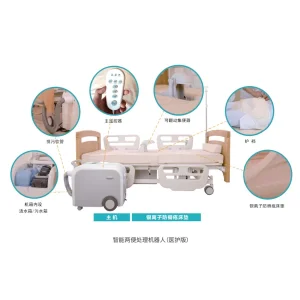
Rapid healthcare infrastructure expansion in regions like India, Southeast Asia, and the Middle East has fueled a demand for all-in-one clinics. Providers are procuring combined traditional Eastern therapies (such as automated moxibustion robots) alongside state-of-the-art European-style multi-joint testing equipment.
Developing smart technologies to enable automated therapeutic assessment and rehabilitation loops.
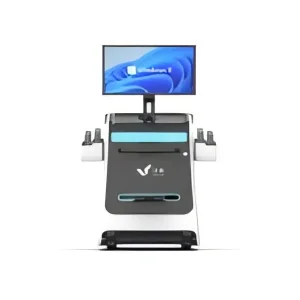
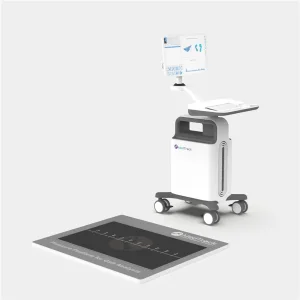
Integrating MEMS (Micro-Electro-Mechanical Systems) accelerometers, high-density pressure sensor matrices, and vision-based marker tracking into treatment beds and scanning plates. This enables millimetric spine profiling in real-time.
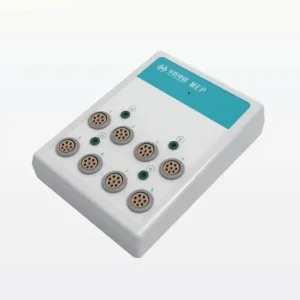
Combining structural alignment with neuromuscular reprogramming. Delivering targeted magnetic impulses (TMS) or transcranial electric currents (TES) while executing active posture training reorganizes deep motor cortex pathways.
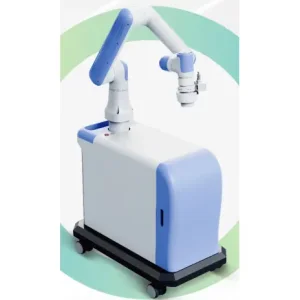
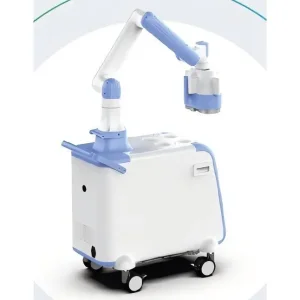
Deploying collaborative, torque-feedback robotic joints in fascia release tools and moxibustion devices. Machine-vision models calculate the patient's skeletal structure, adjusting torque to protect vulnerable tissues.
Exporting localized gait analysis and spine alignment datasets to centralized neural networks. These models forecast progressive structural conditions, recommending personalized 3D-printed orthopedic insoles.
Xinkang Biomedical's main production campus is strategically located in China's prime industrial corridor, the Yangtze River Delta (Changshanjiao). This region hosts a highly optimized ecosystem, providing immediate access to high-grade industrial raw materials, advanced PCBA manufacturing, precision tool-making, and specialized mechanical engineering talent.
Operating from a facility spanning over 10,000 square meters with a workforce of 200+ specialists, Xinkang is equipped to manage large-scale manufacturing requirements. Our infrastructure supports over 30 standardized OEM production lines and quality-assurance test stations, facilitating rapid design-to-prototype iterations.
Our dedicated engineering group works to maintain a robust intellectual property pipeline. This commitment guarantees that our technology remains aligned with international standards:
How clinical systems utilize Xinkang physical therapy and alignment technology in day-to-day operations.
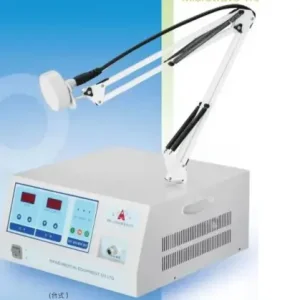
Integrating 3D posture sensors and multi-position diagnostic beds to assess and treat sagittal misalignment. Rehabilitation therapists utilize automated traction protocols combined with localized magnetic and compound wave electrotherapy to reduce spinal muscle splinting.
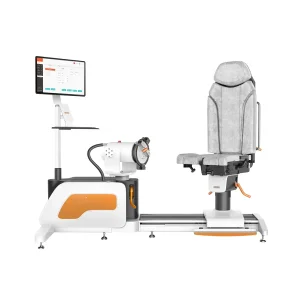
Using multi-joint isokinetic testers to map muscle imbalances across the shoulder, knee, and ankle joints. Sports scientists export dynamic diagnostic profiles to our 3D custom shoe-insoles printer, producing orthopedic insoles that optimize foot pressure distribution during athletic loading.
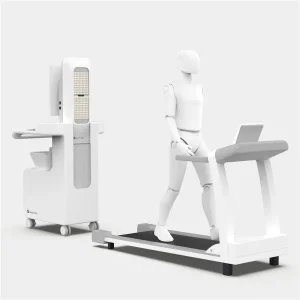
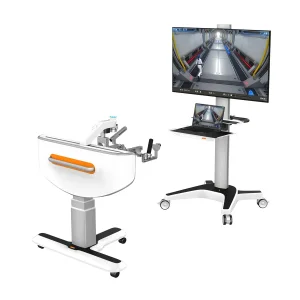
Combining wearable walking assist robots, 3D gait assessment, and transcranial electric/magnetic therapy. This system helps rebuild neuroplastic motor pathways, using plantar pressure telemetry to monitor patient progress.
Assisting global partners in navigating regulatory frameworks and maintaining operational standards.
We support global distribution by assisting our clients with local medical device registrations, including NMPA, CE, and FDA documentation, as well as EMC/Electrical safety testing (IEC 60601-1 standards).
We adapt product software interfaces, instructional materials, power adapters, and chassis branding to meet the language, regulatory, and branding needs of local markets.
Our teams provide comprehensive product assembly instructions, service manuals, maintenance guidelines, and clinical training courses to support local operators.
Answers to key regulatory, clinical, and commercial questions for B2B buyers.
Providing clinics with the technical assets needed to achieve patient alignment and functional mobility goals.
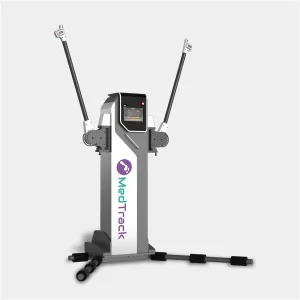
 MedTrack